If you’re based in the Emirates and thinking about trading forex, the first big decision you’ll face is simple: which platform should I trust? With so many brokers and apps promising low spreads and fast execution, it can get confusing. Choosing the right one matters because the wrong pick can cost you money, time, and peace of mind.
In this blog, we’ll walk through what makes the best Forex trading platforms in UAE, what to check before signing up, and how to decide which one suits your trading style.
Why Platform Choice Matters in UAE
The UAE is a growing hub for forex trading. Thousands of traders in the UAE are active daily, and the tool you choose makes all the difference. That’s where MT5 (MetaTrader 5) comes in:
– MT5 Advantage — A world-leading trading platform trusted by millions. – Physical Office in Dubai — Local presence you can rely on. – Website Address — Easy access and full transparency.
With MT5, you’re not just trading—you’re trading smarter, faster, and with the tools professionals use. That’s why your choice of a forex trading platform is almost as important as the trades you make.
What to Look for in Forex Trading Platforms UAE
When comparing different platforms, here are the main things to check:
Spreads & commissions – Even a small difference can impact your returns.
Deposit & withdrawal options – Local bank transfers are the easiest.
Trading tools – Good charting, fast execution, and mobile trading.
Customer support – You’ll want support in UAE time zones, ideally in English and Arabic.(In any language)
Which Platform Fits Your Style?
Not every trader needs the same type of platform. Think about your goals:
Beginners → Simple apps with demo accounts and tutorials.
Active traders → Platforms with advanced charts and tight spreads.
Swing traders → Low overnight fees and steady performance.
Professional traders → Multi-account management and strong liquidity.
This way, you’re not just chasing the “best” platform in general, but the one that’s best for you.
Popular Types of Forex Trading Platforms in UAE
Here’s what you’ll usually come across:
MetaTrader (MT5) – Still the most popular globally, with huge flexibility.
Broker apps – Many UAE brokers now have their own trading apps with local support.
Web platforms – Quick, no installation, perfect for trading on the go.
Each has pros and cons. If you’re new, start with something simple. If you’re experienced, go for tools that give you more control.
How to Choose the Right One
Here’s a simple checklist to help:
Physical Office in Dubai — Local presence you can rely on.
Are the spreads and fees transparent?
Does the platform have local payment options?
Do you feel comfortable using the app or desktop version?
Test two or three demo accounts before you commit real money. A little testing now can save you big trouble later.
Final Word
The best Forex trading platforms in UAE are the ones that balance safety, cost, and ease of use. There’s no single winner for everyone. If you’re just starting out, go for a platform with simple tools and trusted brokers. If you’re experienced, you’ll want advanced features, tighter spreads, and fast execution.
At the end of the day, your success in forex doesn’t just depend on strategy, it also depends on choosing the right platform to trade on.
If you’re reading this, you probably want to improve your forex trading strategies and get ahead in 2025. The forex world is evolving fast, and having a solid strategy matters more than ever. Whether you’re new or experienced, these techniques will help you make smarter moves. Plus, we’ll link them to tools and features offered by Strategic Broking (just as examples you can use) to see how a platform can support them.
What’s New in Forex Trading Strategies in 2025
Before diving into specific strategies, let’s look at what’s changing in forex trading in 2025:
More instruments available on platforms like MT5: forex, commodities (gold & silver), crypto, stocks.
These changes affect how you build your forex trading strategies: you can leverage speed, automation, diversification.
Key Forex Trading Strategies to Use in 2025
Here are strategies that are especially effective now — you can adapt them depending on your risk appetite, time you can spend, tools available.
Strategy
What It Is / How It Works
How to Use It Responsibly
Trend-Following / Trending Pairs
Identify currency pairs with strong upward or downward momentum. Ride the trend until signs of reversal. Use chart indicators like moving averages, RSI, MACD.
Use stop losses. Don’t stay in a trend too late. Use multiple timeframes (e.g. daily + 4-hour) to confirm trends.
Range Trading
When a pair moves between two price levels repeatedly (support & resistance). Buy near support, sell near resistance.
The market must show clear range. Avoid trading in times of big news that can break the range. Trade small size so losses manageable.
Breakout Strategy
Wait for price to “break out” from a range, then enter in the direction of breakout. Can yield big moves.
Confirm breakout with volume or momentum. Avoid false breakouts (price returns back). Use alerts.
Scalping / Intraday
Very short-term strategy: small profits many times during a trading session. Requires quick decision-making, tight spreads.
Needs low transaction cost. Trade during high liquidity periods. Strict risk control. Many trades → risk of overtrading.
Carry Trade
Borrow in a low-interest currency, invest in a higher-interest one. Profit from interest rate differential.
Be aware of swap rates, possible costs. Risk if interest rates change or forex pair moves against you.
Automated / Algorithmic Trading
Use Expert Advisors (EAs), scripts, or bots on MT5 to execute trades automatically according to predefined rules.
Backtest thoroughly. Monitor the bots. Avoid leaving them totally unmanaged.
Copy Trading / PAMM Accounts
Follow or mirror the trades of successful traders via copy-trading, or assign a manager to trade via PAMM.
Research the track record of those you follow. Be aware of fees. Diversify across several strategy providers.
Building a Strong Strategy with Support from Your Platform
A good forex trading strategy works best when your platform backs it up. Here’s how features from platforms like Strategic Broking can support your approach:
MT5: Access to advanced charting tools, many indicators, ability to trade multiple markets from a single account. Great for trend-following, algorithmic strategies, and intraday work. Strategic Broking & Investments
Copy Trading / PAMM: If you’re learning or prefer semi-passive strategy, these let you follow someone else’s strategy while you observe and learn. Strategic Broking & Investments
Wide Asset Diversity: Being able to trade forex + commodities + crypto lets you diversify your risk instead of putting everything only in forex pairs.
Fast Execution & Low Spreads: All of the above strategies suffer if trades are slowed or costs are high. Good spreads and execution make trend-following, scalping, breakouts much more profitable.
Support & Educational Resources: Real-time assistance, economic calendars, analytics. Helps with planning and adjusting strategies.
Risk Management: The Foundation of Any Forex Trading Strategy
No matter how good your forex trading strategy is, without risk management you’re vulnerable. Here are essential practices:
Set a max loss per trade (e.g. 1–2% of your account). This keeps one bad trade from wiping out you.
Use stop-loss and take-profit orders so you don’t have to stare at the screen all day.
Don’t overleverage. More leverage = more risk.
Trade only what you can afford to lose. Emotional stability is crucial.
Diversify across pairs, strategies, or even asset classes.
Putting It All Together: Sample Strategy Plan for 2025
Here’s a sample plan combining elements above — something you might test or adapt for your style:
Use MT5 to scan daily charts for trending forex pairs.
When one is trending, switch to 4-hour charts to confirm.
Use breakout strategy when price breaks key resistance/support with momentum.
Set stop-loss just below breakout level (for buys), take-profit at double the risk distance.
Meanwhile, allocate a small portion of portfolio to copy-trading via PAMM, following 2-3 traders.
Keep one-tight intraday scalping session per week to exploit volatility during high liquidity.
Review results monthly: see what worked, what didn’t. Adjust.
Why Your Forex Trading Strategies Matter More Than Ever
In 2025, the markets are more competitive, more volatile, and have more players. Having a well-defined forex trading strategy gives you:
More consistency in performance
Confidence to act (when you have a plan)
Better control over losses
Ability to scale up or switch strategies when market conditions change
Final Thoughts
Crafting effective forex trading strategies in 2025 isn’t just about picking the “flashiest” method. It’s about combining a strategy that suits your style, using platform features smartly, and managing risk consistently. The right mix of trend-following, breakouts, automation or copy-trading, backed by a platform with MT5, strong tools, good customer support, can give you an edge.
Starting your forex trading journey can feel exciting but challenging, especially when managing capital. That’s where a forex deposit bonus comes into play. It gives you an instant boost to your trading balance, allowing you to explore more opportunities with less personal risk.
Whether you’re a beginner or an experienced trader, understanding forex deposit bonus offers can make a big difference in how confidently you trade.
What Is a Forex Deposit Bonus?
A forex deposit bonus is a special offer where a broker adds extra funds to your account when you make a deposit. For example, if you deposit $200 and the broker offers a 50% deposit bonus, you’ll receive an extra $100. That means you’ll start trading with $300 total.
This simple addition can help you open bigger positions, manage multiple trades, and grow your account faster — all while learning the market with more flexibility.
How Does a Deposit Bonus in Forex Work?
When you claim a deposit bonus in forex, the broker credits bonus funds automatically to your trading balance. You can then use that extra margin to open trades or test strategies without investing more of your own money.
Here’s a quick comparison to help you understand how deposit bonuses differ from other common forex promotions:
Bonus Type
Description
Best For
Example
No Deposit Bonus
Start trading without depositing any funds.
New traders testing platforms.
$30 free bonus, no deposit needed.
Deposit Bonus
Bonus credited after your first deposit.
Traders starting with low capital.
50% bonus on $500 = $750 trading balance.
Reload Bonus
Extra bonus on future deposits.
Consistent traders adding funds.
25% on every new deposit.
A forex deposit bonus is the most popular option among traders because it directly multiplies your trading balance right from the start.
How Deposit Bonuses Boost Your Forex Journey
The deposit bonus in forex is more than just an offer — it’s a trading advantage. Here’s how it can positively impact your trading journey:
1. Increases your trading capital A forex deposit bonus instantly increases your available margin, helping you take larger or multiple trades.
2. Reduces personal risk Since the broker contributes extra funds, you risk less of your own capital per trade.
3. Helps in strategy testing You can experiment with new trading approaches or lot sizes without worrying about quick losses.
4. Provides emotional confidence Having extra funds available gives traders more comfort and patience in decision-making.
By using a deposit bonus in forex, you gain both financial and psychological advantages that help you trade with more confidence and control.
Comparing Different Forex Deposit Bonus Offers
When evaluating forex deposit bonus offers, it’s important to check the structure and terms. Some brokers offer small bonuses with flexible withdrawal rules, while others offer large bonuses with higher trade requirements.
Here’s a simple comparison table to guide your choice:
Offer Type
Bonus Range
Trade Requirement
Profit Withdrawal
Ideal For
Low Bonus, Easy Conditions
20%–40%
Low volume
Full withdrawal allowed
Beginners
High Bonus, Moderate Conditions
50%–70%
Medium volume
Profits withdrawable
Intermediate traders
Big Bonus, Strict Conditions
100%+
High volume
Conditional
Experienced traders
By comparing forex deposit bonus offers, you can find the right balance between bonus size and flexibility — aligning it with your trading goals.
Smart Ways to Use a Forex Deposit Bonus
To make the most of your deposit bonus in forex, follow these simple steps:
Start small, scale smartly. Begin with a moderate deposit and use the bonus to build trading consistency.
Set clear goals. Don’t focus only on the bonus — aim for sustainable profit growth.
Understand withdrawal conditions. Every forex deposit bonus offer has terms; knowing them avoids surprises later.
Use proper risk management. Even with a bonus, always use stop-loss and limit orders to protect capital.
When used wisely, a forex deposit bonus can help you build experience and confidence while minimizing risk exposure.
Example: How a Deposit Bonus Can Multiply Opportunities
Let’s say you deposit $1,000 and claim a 100% forex deposit bonus. Your new balance becomes $2,000.
If you trade with 2% risk per trade:
Without the bonus → You risk $20.
With the bonus → You can risk $40 per trade or open multiple trades.
That’s twice the flexibility without doubling your personal investment. Over time, this additional margin can significantly impact your trading journey.
Why Traders Prefer Forex Deposit Bonus Offers
The reason so many traders search for forex deposit bonus offers is simple: they provide immediate value. You get more capital, more room to experiment, and more confidence — all without waiting to grow your balance organically.
Whether you’re starting your forex journey or looking to expand your trading power, using a deposit bonus in forex can help you reach your goals faster.
Conclusion
A forex deposit bonus is one of the smartest ways to strengthen your start in trading. It gives you extra balance, boosts your risk capacity, and lets you explore more trading setups.
If you’re ready to enhance your forex journey, check out the deposit bonus offers available with Strategic Broking & Investments (SB&I) and experience trading with an extra edge.
Your forex journey becomes smoother, stronger, and more rewarding — all thanks to a simple deposit bonus.
For decades, commissions were seen as the cost of entry to the world of trading. Every time you bought or sold a financial instrument, a broker took their share in the form of a commission fee. For professional traders managing large accounts, these costs were part of doing business. But for beginners taking their first steps, commissions often felt like an immediate penalty.
In 2025, the trading landscape looks very different. Competition between brokers, advances in technology, and a growing demand for transparency have paved the way for a new model: zero commission trading. By removing this traditional barrier, brokers like Strategic Broking & Investments (SB&I) are making it easier for new traders to explore the forex markets without fear of losing money before they even begin.
But is zero commission trading just a marketing gimmick, or does it really give beginners the perfect start? Let’s break it down.
What Is Zero Commission Trading?
To understand zero commission trading, we need to start with how brokers traditionally make money.
Commissions: A flat fee or percentage charged on every trade you execute. For example, $5 per trade.
Spreads: The small difference between the buying price (ask) and the selling price (bid). This is another way brokers generate revenue.
In the past, many brokers charged both a commission and relied on spreads. This meant that regardless of whether your trade was profitable, you were paying fees upfront.
Zero commission trading eliminates the commission fee entirely. You only pay through the spread, which is typically small and built into the pricing. For traders, this means:
No upfront penalty when placing a trade.
Simpler cost structure (no hidden fees).
A more transparent trading environment.
At SB&I, this model is taken a step further: your first trade is completely commission-free — making it a risk-reduced way to enter the market.
Why Commissions Hold Traders Back
If you’re a new trader, commissions might seem like small amounts. But over time, they add up — and they can heavily influence your psychology and decision-making.
1. They eat into small accounts
Beginners often start with modest capital. A $5 commission on a $100 trade means you’re already down 5% before the trade even begins. This discourages experimentation and learning.
2. They make frequent trading costly
Many beginners are active, testing different strategies and instruments. Commissions penalize this curiosity, turning learning into an expensive exercise.
3. They create a fear barrier
For someone new to forex, even placing a first trade can feel intimidating. Add commissions to the mix, and that hesitation only grows stronger.
4. They reduce profitability
For short-term strategies like scalping or day trading, commissions can wipe out the slim margins that make those trades worthwhile.
Simply put, commissions often push traders to quit before they’ve truly had a chance to learn and grow.
The Benefits of Zero Commission Trading
Here’s why commission-free trading is such a game-changer, especially for beginners in 2025.
1. Lower Entry Barrier
Zero commission means you can start trading without worrying about fees eating into your small account. This makes forex more accessible than ever.
2. Encourages Learning by Doing
Instead of watching tutorials forever, new traders can experiment with small trades. Since there’s no added cost burden, every trade becomes a lesson rather than a loss.
3. Transparency and Trust
One of the main concerns beginners have is hidden fees. With a zero-commission model, what you see is what you get. It builds immediate trust with the broker.
4. Maximizing Early Profits
In the beginning, even small wins feel significant. Zero commission ensures those profits stay in your account instead of being siphoned off by fees.
5. Psychological Confidence
Starting without commissions removes one of the biggest mental blocks: “I’m paying to lose.” Traders can focus on learning strategies rather than worrying about costs.
6. Long-Term Sustainability
As traders gain experience, zero commission ensures that frequent trading doesn’t become a financial burden. It supports both beginners and more active traders.
Why Zero Commission Is the Perfect Start in 2025
The forex market today is larger and more dynamic than ever, with daily volumes surpassing $7 trillion. At the same time, retail traders are demanding fairer, more transparent, and more beginner-friendly trading conditions.
Here’s why 2025 is the right time to embrace zero commission trading:
Broker competition is at its peak: To attract and retain traders, brokers need to innovate. Zero commission is part of that evolution.
Technology supports efficiency: Platforms like MT5 allow brokers to sustain low-cost models without compromising service.
Shift toward accessibility: Younger generations (Millennials, Gen Z) are entering trading. They expect no-commission, app-like simplicity, just as they do in stock and crypto trading.
Global trend: From equities to crypto, commission-free models are becoming the global norm. Forex trading is naturally following this shift.
In short, zero commission isn’t a temporary marketing tactic. It’s the future — and for new traders, the perfect starting point.
Why Choose SB&I for Zero Commission Trading
Not all commission-free models are created equal. Some brokers advertise “zero commission” but make up for it with wider spreads or hidden charges. That’s where Strategic Broking & Investments (SB&I) stands apart.
Here’s why SB&I is the perfect choice for beginners:
Your First Trade, Absolutely Commission-Free
A genuine offer designed to help you start with confidence, not fear.
World-Class Platform – MT5
Trade over 1,800 instruments on the industry’s most advanced platform, with real-time charts, indicators, and lightning-fast execution.
Fair and Transparent Pricing
Low spreads, no hidden fees, and clear cost structures.
Diverse Trading Options
Forex, stocks, crypto, commodities, indices — all available under one account.
Customer-First Approach
24/7 support and a robust community of traders to learn from.
Global Trust and Local Presence
With offices in Dubai and a strong international footprint, SB&I is positioned as one of the world’s best brokers for new traders.
Building a Smarter Future in Forex
Zero commission is just the beginning. At SB&I, we believe in making trading not only accessible but also sustainable. That means:
Empowering traders with education and resources.
Providing transparent tools and risk management systems.
Encouraging smarter, long-term strategies instead of chasing quick wins.
Trading should feel less like a gamble and more like a journey. With zero commission on your first trade, you’re not just saving money — you’re taking your first step toward a smarter future.
Conclusion
Starting in forex can feel overwhelming. Between charts, strategies, and market volatility, the last thing beginners need is the burden of extra costs. That’s why zero commission trading is the perfect start — it lowers barriers, encourages experimentation, and builds trust from the very first trade.
At Strategic Broking & Investments, our mission is simple: help you trade smarter, grow faster, and succeed with confidence. By removing commissions on your first trade, we’re giving you the best possible way to begin your journey in 2025.Ready to experience trading without barriers? Sign up with SB&I today and make your first trade, commission-free.
The allure of forex trading is undeniable—24/5 market access, immense liquidity, and the potential for substantial profits. But beneath the excitement lies a truth every seasoned trader knows: mistakes in forex can be brutally expensive. Whether you’re a beginner eager to dive in or an experienced trader looking to refine your edge, understanding common pitfalls is crucial to protecting your capital and building long-term success.
In this article, we’ll explore some of the most frequent mistakes traders make—drawn from the hard-earned lessons of professionals who’ve been there—and how you can avoid them.
1. Underestimating the Importance of Stop-Loss Orders
One of the fastest ways to drain your account is trading without a stop-loss order. Many new traders ride on the optimism that the market will turn back in their favor, only to watch losses snowball.
A stop-loss is your safety net—it closes your position when the market moves against you by a predetermined amount. Without it, you risk letting a small, manageable loss spiral into a portfolio-crushing one.
Lesson from the pros: Always set a stop-loss before opening a trade. Think of it as paying a small insurance premium to protect your capital.
2. Revenge Trading After a Loss
Losing trades can feel personal, and that’s when revenge trading rears its head. This is when traders try to immediately win back what they’ve lost by placing impulsive, poorly planned trades—often doubling down on risk.
Instead of recovering losses, revenge trading usually compounds them. The emotional state after a loss is rarely conducive to rational decision-making.
Lesson from the pros: Take a step back after a loss. Analyze what went wrong, then return with a clear head and a plan. The market will be there tomorrow.
3. Skipping the Trading Journal
Trading without keeping records is like trying to improve your game without watching the replay. A trading journal tracks your entries, exits, trade rationale, and emotional state—helping you identify patterns and refine strategies.
Without it, you may repeat the same mistakes without realizing it or overlook what’s actually working.
Lesson from the pros: Review your journal regularly. Look for recurring mistakes, winning setups, and situations that cause you to deviate from your plan.
4. Over-leveraging Trades
Leverage can be your best friend or your worst enemy. While it amplifies profits, it also magnifies losses. Many beginners are seduced by the possibility of outsized gains without fully appreciating the downside risk.
For example, a 50:1 leverage ratio means even a 2% adverse price movement can wipe out your margin.
Lesson from the pros: Use leverage conservatively. Focus on position sizing that allows you to withstand normal market fluctuations without triggering margin calls.
5. Entering Trades Before Major Economic Announcements
Economic data releases and central bank statements can create extreme volatility. While this can be profitable for experienced news traders, preemptively taking positions before an announcement is essentially a gamble.
Markets can whip in both directions before settling, making it hard to protect your position.
Lesson from the pros: If you’re new, avoid trading just before major news. Instead, wait for the initial volatility to subside and look for clearer setups.
6. Trading Without Sufficient Knowledge
Many traders jump in after seeing friends or influencers boast about quick profits—without realizing those wins might be the result of experience or sheer luck. Without understanding market dynamics, risk management, and trading psychology, you’re at the mercy of chance.
Lesson from the pros: Invest in your education. Study technical and fundamental analysis, practice with demo accounts, and understand the tools at your disposal before risking real money.
7. Failing to Limit Losses Per Trade
In leveraged markets, a small percentage movement can have a huge impact. Without setting a maximum loss per trade—often 1–2% of your account—you risk blowing up your balance during a bad streak.
Lesson from the pros: Predetermine the exact dollar amount you’re willing to lose on a trade and stick to it religiously.
8. Ignoring Emotional Discipline
Even the best strategy will fail without mental discipline. Fear can keep you out of good trades; greed can push you into bad ones. Emotional discipline means sticking to your plan regardless of temptation or panic.
Lesson from the pros: Have rules in place for entering and exiting trades, and follow them without exception. Emotional control is just as important as technical skill.
9. Neglecting Continuous Learning
The forex market evolves—what worked last year might not work today. Traders who fail to adapt can find their strategies losing effectiveness over time.
Lesson from the pros: Keep learning. Follow market news, attend webinars, read trading books, and stay informed about evolving tools and strategies.
Conclusion
No trader is immune to mistakes—even seasoned professionals take losses. The difference lies in how they manage those losses and avoid repeating errors. By steering clear of common pitfalls like overleveraging, revenge trading, and neglecting risk controls, you give yourself a significant edge.
In forex, preserving capital is as important as growing it. Avoid these traps, and you’ll be better positioned to take advantage of the many opportunities this dynamic market offers.
In a PAMM (Percentage Allocation Management Module) account, the performance of your investment depends heavily on the skill and strategy of the money manager. Choosing the right PAMM account can mean the difference between consistent growth and disappointing returns.
At Strategic Broking & Investment, we understand that informed decision-making is the foundation of successful investing. If you’re looking for the best platform for PAMM, knowing how to select a reliable and skilled money manager is step one.
Key Factors to Consider When Selecting a Money Manager
1. Proven Performance History
The first thing investors evaluate is track record. This includes:
Annual and monthly returns
Consistency of profits over time
Stability during different market conditions
A manager who has shown steady gains — rather than just occasional big wins — often indicates discipline and strong market understanding.
2. Risk Management Skills
Returns mean little without proper risk control. Assess a manager’s:
Maximum drawdown (largest peak-to-trough loss)
Trade volatility
Risk-reward ratio
The best managers balance profit potential with capital protection, making them ideal choices for long-term success.
3. Trading Strategy Transparency
Investors value clarity in approach. Look for managers who can explain:
The assets they trade (currency pairs, commodities, indices)
Their preferred timeframes (short-term scalping, swing trading, or long-term positions)
Their core tactics (trend following, breakout trading, hedging, etc.)
Transparency builds trust and allows you to see if their style aligns with your risk tolerance.
4. Experience and Credentials
Seasoned managers often navigate market volatility better. Key indicators of experience include:
Years in active trading
Certifications or financial market training
Proven results in different market cycles
The more market knowledge a manager has, the better they can adapt to unpredictable conditions.
5. Fair and Clear Fee Structure
A manager’s reward system matters. Understand:
Management fees (charged regardless of performance)
Performance fees (charged on profits)
Any hidden charges
The best platform for PAMM ensures transparent fee breakdowns so you know exactly what you’re paying for.
6. Transparency and Regular Reporting
Investors should have real-time access to account performance, along with detailed monthly or quarterly reports. A trustworthy manager will share:
Trade history
Profit/loss breakdowns
Risk assessments
Regular reporting keeps you informed and confident in the investment process.
7. Reputation and Peer Feedback
Reviews, testimonials, and investor recommendations offer valuable insights into a manager’s professionalism and reliability. A solid reputation often signals consistent performance and trustworthy client relationships.
8. Alignment with Your Goals
Even the best manager might not be right for you if their strategy conflicts with your objectives. Ensure their approach matches:
Your desired return rate
Your risk comfort level
Your investment time horizon
Alignment is key for a smooth investor–manager relationship.
Why Choose Strategic Broking & Investment?
At Strategic Broking & Investment, our PAMM solutions connect you with vetted, high-performing money managers whose track records, risk management strategies, and transparency standards meet the highest benchmarks.
Our platform is designed to be the best platform for PAMM, giving you:
Access to top-tier traders
Transparent performance analytics
Fair, competitive fee structures
Full visibility and control over your investment
Conclusion
Selecting the right money manager in a PAMM account is more than just chasing high returns — it’s about finding a skilled professional whose approach aligns with your risk profile and goals. By focusing on track record, risk management, transparency, and reputation, you can build a sustainable and profitable Forex investment strategy.
With Strategic Broking & Investment, you gain not only access to the best platform for PAMM but also the guidance and expertise needed to make confident investment choices.
The forex market is a dynamic, fast-paced environment where trillions of dollars change hands every day. According to the Bank for International Settlements, the market averages $6.6 trillion in daily turnover, making it the largest and most liquid financial market in the world. For traders, this represents unparalleled opportunities — but also significant risks.
Success in this space doesn’t come from gut feelings or lucky guesses. It comes from a well-structured forex trading plan — a roadmap that guides every decision, manages risk, and keeps emotions in check. Without one, you’re essentially navigating a storm without a compass.
This guide will walk you through the essential components of a winning forex trading plan, and how to adapt it to your personality, lifestyle, and goals.
1. Set Clear and Measurable Objectives
Every great trading plan begins with purpose. Before you start clicking “buy” or “sell,” you need to define why you’re trading and what you aim to achieve.
Ask yourself:
Are you trading for supplemental income or to eventually go full-time?
Do you have a profit target in mind? (e.g., 15% annual return)
What is your acceptable loss threshold per month or per year?
Being specific keeps your trading measurable and accountable. For example, “I want to make $500 a month in additional income” is far more actionable than “I want to make money.”
Pro tip: Your goals must align with your availability. If you can only spare an hour a day, your plan should be built for that timeframe — not for strategies requiring constant monitoring.
2. Define Your Risk Tolerance
Your ability to handle risk is the foundation of a sustainable trading career. Many traders blow their accounts not because they’re wrong more often than right, but because they risk too much on each trade.
A common rule: Never risk more than 1–2% of your trading capital per trade. That way, even a losing streak won’t wipe you out.
Key tools to manage risk:
Stop Loss Orders – Automatically close your trade at a pre-set loss level.
Take Profit Orders – Lock in profits at your target price before the market reverses.
Position Sizing – Adjust the number of lots you trade based on your account size and the trade setup’s risk.
3. Conduct Thorough Market Analysis
A robust trading plan includes both fundamental and technical analysis.
Fundamental Analysis Study the economic, political, and social factors influencing currency movements. Keep tabs on GDP reports, employment data, interest rate announcements, and geopolitical events. Example: A higher-than-expected inflation rate might push a central bank to raise interest rates, strengthening the currency.
Technical Analysis Use historical price data, chart patterns, and indicators to forecast movements. Tools like Moving Averages, RSI, and MACD can help you spot trends and entry points.
Bonus tip: Combine both analyses for higher accuracy — fundamentals tell you why a market is moving, and technicals help you pinpoint when to act.
4. Choose a Trading Strategy That Fits You
No single strategy works for everyone. The right approach depends on your personality, schedule, and risk appetite.
Popular strategies include:
Scalping – Multiple quick trades for small gains (ideal for fast decision-makers).
Day Trading – Opening and closing positions within the same day to avoid overnight risk.
Swing Trading – Holding trades for days or weeks to capture mid-term moves.
Trend Following – Riding long-term market trends until signs of reversal appear.
Backtesting is essential — test your chosen strategy on historical data to gauge performance before risking real capital.
5. Plan Your Trade Execution
Execution discipline is what separates professionals from amateurs.
Your trading plan should clearly outline:
Entry criteria – What must happen before you enter a trade? (e.g., a moving average crossover plus RSI confirmation)
Exit rules – At what point will you close for profit or loss?
Order types – Market orders for instant execution, limit orders for specific price entries, and stop orders for breakout setups.
Remember: The market moves quickly. Pre-defining your actions prevents emotional decision-making under pressure.
6. Keep a Trading Journal
A trading journal is your personal performance lab. Track:
Date and time of trade
Currency pair
Entry and exit prices
Trade size and direction
Reason for entry
Outcome (profit/loss)
Emotions before, during, and after the trade
Over time, patterns will emerge — you’ll see which setups work consistently and which ones drain your capital.
7. Master Psychological Discipline
Even the best trading plan fails if you can’t stick to it. Emotional swings often lead to impulsive decisions, revenge trading, or exiting too early.
To stay disciplined:
Accept losses as part of the game — no strategy wins 100% of the time.
Take breaks after significant wins or losses to reset mentally.
Avoid overtrading — stick to your pre-defined setups.
Consistency is key. Your plan is only as good as your commitment to it.
8. Commit to Continuous Learning and Adaptation
Markets evolve — your trading plan must too.
Attend webinars and read market analysis from experienced traders.
Stay updated on technological tools that can improve execution.
Review and tweak your plan quarterly or after major market changes.
Adaptability is what keeps profitable traders ahead of the curve.
Putting It All Together
A strong forex trading plan isn’t just a document — it’s a mindset and a discipline. It provides structure, minimizes emotional decision-making, and maximizes consistency over the long run.
Key takeaways:
Define specific, realistic goals.
Protect your capital with strict risk management.
Base trades on both solid analysis and tested strategies.
Record and review every trade.
Stay disciplined, flexible, and committed to learning.
With the right plan, you shift from “hoping” to “executing” — and that’s the difference between gambling and trading.
In the fast-moving world of forex, few events impact the markets as strongly as economic news releases. Whether it’s U.S. Non-Farm Payrolls, central bank interest rate decisions, or inflation reports, these announcements can spark sudden volatility and create both risks and opportunities for traders.
But while the rewards of trading forex during news releases can be significant, the risks are equally high. A single spike in volatility can make or break your trading session. So, how do you prepare, what should you watch out for, and which strategies actually work in such uncertain conditions? Let’s break it down.
Why News Releases Matter in Forex
Currencies are heavily influenced by macroeconomic conditions. News releases such as GDP growth, unemployment rates, and monetary policy decisions shape market sentiment and directly affect exchange rates.
For example:
Positive U.S. jobs data may strengthen the USD against other currencies.
Surprise interest rate cuts often weaken a currency as investors seek higher yields elsewhere.
Geopolitical news can cause flight-to-safety moves toward currencies like the USD, CHF, or JPY.
Traders who understand how to anticipate and react to these events are in a better position to benefit from sharp price movements.
Key News Releases Forex Traders Watch
When trading forex during news releases, certain announcements consistently generate high volatility:
Non-Farm Payrolls (NFP) – Released monthly by the U.S. Bureau of Labor Statistics, often one of the biggest market movers.
Interest Rate Decisions – Central banks like the Fed, ECB, and BoE set policy rates that directly impact currency strength.
Consumer Price Index (CPI) – Inflation figures guide central banks’ monetary policy.
Gross Domestic Product (GDP) – A measure of overall economic performance.
Unemployment Data – Labor market health signals economic strength or weakness.
Retail Sales Reports – Consumer spending drives a large portion of GDP.
Challenges of Trading During News
While news events present opportunities, they also carry significant challenges:
Extreme volatility – Price swings of 50–100 pips in seconds are not uncommon.
Slippage – Orders may execute at much worse prices due to liquidity gaps.
Widened spreads – Brokers often increase spreads during high-impact news.
Because of this, many traders either avoid trading news altogether or use very specific strategies designed for volatility.
Strategies for Trading Forex During News Releases
There’s no one-size-fits-all method, but here are some practical approaches:
1. The Straddle Strategy
Place a buy stop above resistance and a sell stop below support just before the news release.
Whichever way the market breaks, one order triggers.
Works best in highly liquid markets like EUR/USD or GBP/USD.
Risk: False breakouts can trigger both orders and lead to losses.
2. Fade the Initial Move
Wait for the market to make an extreme spike after the announcement.
Enter a trade in the opposite direction, expecting a correction.
This works when the market overreacts to news and then normalizes.
Risk: If the news truly shifts fundamentals, the move may continue further.
3. Wait for Confirmation
Instead of entering immediately, wait for the market to pick a clear direction.
Look for candlestick confirmation, trendline breaks, or retests before entering.
Safer but may mean missing the initial (and often biggest) move.
Risk Management When Trading News
When trading forex during news releases, proper risk management is essential:
Use smaller lot sizes – Volatility magnifies both profits and losses.
Set wider stop losses – Avoid being taken out by random spikes.
Never over-leverage – A single trade can wipe out your account if overexposed.
Practice discipline – Don’t chase after missed moves; wait for setups.
Tools to Help You Trade News
Economic Calendars – Platforms like Forex Factory or Investing.com list upcoming events and expected impact.
Volatility Indicators – ATR (Average True Range) can help set appropriate stops.
News Feeds – Live updates from Reuters or Bloomberg can give an edge.
Broker Platforms – Many offer built-in news alerts for high-impact releases.
Should You Trade Forex During News Releases?
This depends on your risk appetite and trading style:
If you thrive on fast-moving markets and volatility, news trading may suit you.
If you prefer predictable price action and steady trends, it may be best to sit out and let the dust settle.
Remember: sometimes the best trade is no trade at all.
Final Thoughts
Trading forex during news releases can be highly rewarding but comes with increased risk. The key is preparation—knowing which events matter, having a solid strategy, and using strict risk management.
For beginners, it’s wise to practice on a demo account first before trading news events with real money. For experienced traders, refining strategies like straddle setups or waiting for confirmation can help maximize returns.
At the end of the day, news trading isn’t about predicting the event—it’s about reacting wisely to market behavior once the information is out.
Copy trading is a modern investment method that allows you to automatically replicate the trades of experienced traders in real time. Instead of spending hours analyzing charts and executing trades manually, you can mirror the actions of professional traders using a copy trading platform.
This approach is especially popular among beginners who want to participate in financial markets without mastering complex trading strategies from day one. With the right platform and trader selection, copy trading can be a powerful tool for both learning and earning.
Copy Trading vs. Social Trading
While copy trading and social trading sound similar, they are fundamentally different:
Copy Trading
Involves automatically duplicating the exact trades of another trader.
Execution is handled by the platform—no manual action is needed.
You can set preferences like the percentage of your capital to allocate per trader.
Social Trading
Focuses on interaction, discussion, and strategy sharing.
Traders exchange ideas, but you execute trades manually.
Greater control over decisions, but also requires more time and skill.
In short: Copy trading is “hands-off,” while social trading is “hands-on.”
Mirror Trading vs. Copy Trading
Another related concept is mirror trading, which is different from copy trading in a key way:
Mirror Trading
Replicates pre-programmed algorithmic strategies.
These strategies are built on rules and historical data rather than discretionary decision-making.
Often follows a single system without room for customization.
Copy Trading
Allows you to follow human traders who make real-time discretionary decisions.
You can choose multiple traders with different styles for diversification.
Risk settings can be adjusted individually for each trader.
How Copy Trading Works
Choose a Platform Start by signing up on a reputable copy trading platform. Strategic Broking & Investment offers access to some of the best platforms for copy trading with global market coverage.
Select Traders to Follow Browse trader profiles, check their performance history, risk management style, and trading strategies.
Set Allocation & Risk Limits Decide how much of your capital to allocate to each trader and set stop-loss levels to protect your funds.
Trades Are Copied Automatically When the trader you follow opens or closes a position, your account mirrors the action instantly.
Monitor & Adjust Keep track of performance and make adjustments to your trader list or risk settings when necessary.
Copy Trading in Forex and Cryptocurrency
Forex Copy Trading: Ideal for traders who want to participate in the highly liquid and 24/5 foreign exchange market without becoming experts in technical and fundamental analysis.
Crypto Copy Trading: Lets you gain exposure to volatile digital assets like Bitcoin, Ethereum, and other altcoins by following crypto specialists.
Both markets can be accessed through SB&I’s partnered platforms, ensuring a seamless and transparent experience.
Advantages of Copy Trading
Leverage Expert Knowledge – Follow seasoned traders and benefit from their experience. Save Time – No need to spend hours researching and executing trades manually. Learn While You Earn – Observe strategies and improve your trading knowledge over time. Diversification – Follow multiple traders across various asset classes to spread risk.
Risks of Copy Trading
Dependence on Trader Performance – Your results are tied to the trader’s skills and decisions. Market Volatility – Sudden price swings can affect profits, even for skilled traders. Limited Control – While you can set limits, you can’t alter trades once copied.
Tip: Always diversify your portfolio and avoid allocating all your funds to a single trader.
How to Choose the Best Platform for Copy Trading
When selecting a platform, consider:
Track record and reputation.
Range of available markets (forex, stocks, crypto, etc.).
Transparency of trader statistics.
Low spreads and commissions.
User-friendly interface.
Strategic Broking partners only with platforms that meet these standards, ensuring safety, transparency, and efficiency for our clients.
Getting Started with Strategic Broking & Investment
At Strategic Broking & Investment, we guide our clients step-by-step in building a successful copy trading portfolio. From choosing the best platform for copy trading to selecting top-performing traders and setting risk parameters, we make the process simple, safe, and profitable.
Whether you’re a beginner looking for a hands-off approach or an experienced trader seeking diversification, our expert support and technology partnerships can help you achieve your trading goals.
Final Thoughts Copy trading is revolutionizing how individuals participate in financial markets. By combining automation with the expertise of seasoned traders, it opens opportunities for profit and learning without requiring years of experience. However, success depends on choosing the right platform, selecting reliable traders, and managing your risk wisely. With Strategic Broking & Investment, you can start your copy trading journey confidently—on the right platform, with the right traders, and with the right strategy.
In the fast-paced world of Forex trading, not every investor has the time, skill, or resources to actively manage trades. That’s where a PAMM account — or Percentage Allocation Management Module — comes in. It’s a smart, technology-driven solution that allows investors to partner with professional traders, sharing in both the profits and risks of Forex without executing trades themselves.
If you’ve been searching for the best platform for PAMM to grow your portfolio with expert guidance, this guide will walk you through exactly how it works, its benefits, and how to choose the right PAMM account.
What is a PAMM Account?
A PAMM account is a managed Forex investment model where multiple investors pool their funds into a single account, managed by a skilled trader (often called a money manager).
Here’s the core idea:
You invest a certain amount into the account.
The money manager trades on behalf of the group.
Profits (or losses) are distributed proportionally based on your share of the pool.
The beauty of a PAMM account is that you get professional trading expertise without having to monitor charts or place orders yourself.
How Does a PAMM Account Work?
Think of it as a partnership with clear rules and automated calculations.
1. Fund Allocation
Each investor decides how much capital to allocate. The PAMM system calculates your percentage share in the total pool. For example, if you contribute $5,000 to a $50,000 pool, you own 10% of it.
2. Trading by the Money Manager
The appointed trader manages the account, using proven Forex strategies. Importantly, most managers invest their own funds too — ensuring their interests align with yours.
3. Profit & Loss Distribution
After trades are closed, profits or losses are automatically split according to each investor’s share. For instance, if the account gains 8% in a month, your $5,000 investment becomes $5,400 before fees.
4. Transparency
PAMM platforms provide real-time reporting, allowing you to see trade history, open positions, and performance stats without interfering in the trading process.
Benefits of a PAMM Account
1. Passive Investment
With a PAMM account, you don’t need to analyze markets or watch price charts. The trader handles all decisions, while you enjoy a hands-off investment.
2. Access to Expert Traders
By choosing the best platform for PAMM, you can connect with experienced professionals who have a proven track record in Forex trading.
3. Risk Diversification
A skilled money manager will often spread trades across multiple currency pairs and strategies, reducing exposure to single-market volatility.
4. Scalability
Start small and increase your investment as you grow more confident. You can also partially withdraw profits while keeping your principal invested.
5. Transparency & Control
Even though the trader makes the calls, you can monitor performance anytime and withdraw funds according to the agreed terms.
Choosing the Right PAMM Account
The success of your PAMM investment depends largely on picking the right manager and platform. Here’s what to look for:
Verified Track Record – Consistent returns over time matter more than occasional big wins.
Risk Management Approach – Does the trader have clear stop-loss rules? How do they handle losing streaks?
Fee Structure – Understand management fees, performance fees, and withdrawal terms before investing.
Transparency – Choose managers who openly share strategies and regular updates.
Platform Reputation – The best platform for PAMM will have a strong security framework, reliable execution, and a community of satisfied investors.
Common Mistakes to Avoid
Chasing High Returns Only – High returns often come with high risk; balance performance with stability.
Ignoring Fees – A low-return account with low fees may outperform a high-return account with heavy charges over time.
Not Reviewing Performance – Regularly assess if the trader’s current strategy still aligns with your goals.
Why Strategic Broking & Investment is Your Best Choice for PAMM
At Strategic Broking & Investment, we combine cutting-edge trading technology, rigorous risk controls, and a transparent investment process. Whether you’re a first-time investor or an experienced market participant, our platform is designed to help you maximize returns while protecting your capital.
We believe the best platform for PAMM is one that empowers investors with both expert management and full visibility — and that’s exactly what we deliver.
Conclusion
A PAMM account is an excellent gateway to the Forex market for those who want to invest without actively trading. By choosing the right money manager and platform, you can benefit from the skills of experienced traders while keeping control of your funds.With Strategic Broking & Investment, you get access to the best platform for PAMM — blending professionalism, transparency, and growth potential in one place.
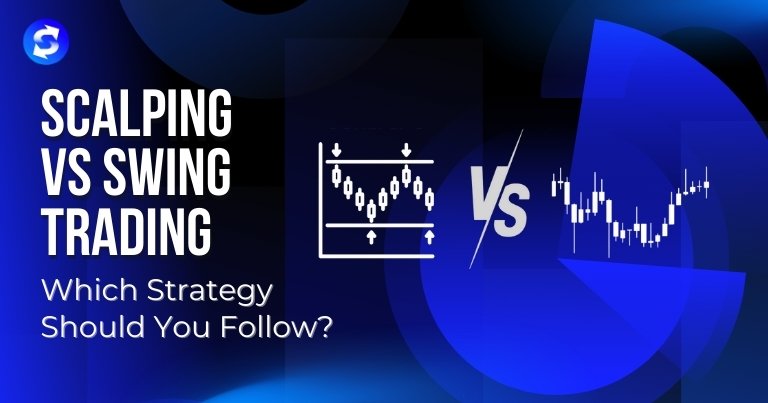
In the world of forex and financial markets, there’s no “one-size-fits-all” trading strategy. The right approach depends on your personality, time commitment, risk tolerance, and financial goals. Two of the most popular — yet vastly different — styles are scalping and swing trading.
Both strategies aim to capture market opportunities, but they differ in time frames, execution styles, and the skill sets required. Let’s break down how each works, their pros and cons, and how you can decide which fits you best.
What Is Scalping in Forex Trading?
Scalping is a fast-paced trading style where traders aim to make small profits from quick market moves — often within seconds or minutes. Instead of holding trades for long, scalpers look to enter and exit positions rapidly, sometimes executing dozens (or even hundreds) of trades in a single day.
Typical scalping setup:
Timeframe: Seconds to 1–5 minutes.
Goal: Capture small price movements (often 5–10 pips).
Tools: Technical indicators like MACD, RSI, Stochastic Oscillator, and real-time chart analysis.
Execution: Requires lightning-fast order placement and a stable internet connection.
Example: Imagine EUR/USD is trading at 1.1050. A scalper spots a quick upward momentum and buys at 1.1051. Just a few minutes later, the price jumps to 1.1054. The scalper closes the trade, booking a small profit — and then immediately looks for the next opportunity.
Pros of Scalping
Multiple profit opportunities daily.
Less exposure to overnight risks.
Can profit in both trending and ranging markets.
Cons of Scalping
Requires intense focus and quick decision-making.
Transaction costs can add up quickly.
Emotionally and mentally demanding.
What Is Swing Trading?
Swing trading is a more relaxed trading style focused on capturing medium-term market moves. Instead of aiming for tiny intraday fluctuations, swing traders look for bigger price shifts that unfold over days or even weeks.
Typical swing trading setup:
Timeframe: 1 day to several weeks.
Goal: Capture larger “swings” in price trends.
Tools: Daily/weekly charts, support and resistance levels, trendlines, and fundamental analysis.
Execution: Fewer trades, but higher profit targets per trade.
Example: A swing trader notices that GBP/USD is forming a bullish breakout pattern on the daily chart. They enter at 1.2800 with a target at 1.3000. Over the next week, the price climbs steadily, and they close the trade with a 200-pip gain.
Pros of Swing Trading
Less time spent glued to the screen.
Fewer trades mean lower transaction costs.
Allows for deeper market analysis before entering positions.
Cons of Swing Trading
Exposure to overnight and weekend risks.
Requires patience and discipline to hold trades for days.
Misses smaller intraday moves.
Scalping vs Swing Trading – Key Differences
Factor
Scalping
Swing Trading
Timeframe
Seconds to minutes
Days to weeks
Trade Frequency
Very high
Low to moderate
Profit Per Trade
Small
Large
Stress Level
High
Moderate
Capital Requirement
Often higher due to leverage
Moderate
Best For
Full-time traders who thrive in fast-paced environments
Part-time traders or those who prefer a slower pace
How to Choose the Right Strategy for You
The choice between scalping and swing trading comes down to your lifestyle, trading goals, and psychological comfort.
Choose Scalping If:
You enjoy high-speed decision-making.
You can dedicate several hours a day to monitoring markets.
You have quick reflexes and can manage stress.
Choose Swing Trading If:
You have a full-time job or limited screen time.
You prefer making fewer but more calculated trades.
You’re comfortable holding positions overnight or for several days.
Pro Tip: Some traders blend the two — scalping for short bursts when they have time and swing trading for their longer-term positions.
Final Thoughts
Both scalping and swing trading can be profitable when executed with discipline, proper risk management, and a solid understanding of market dynamics. The real question isn’t which strategy is “better” — it’s which aligns best with your personality and schedule.
Whether you’re chasing quick wins or patiently waiting for bigger moves, the key is to stick to your plan, manage your risks, and keep learning. In the end, the best strategy is the one you can follow consistently without breaking your own rules.
In the fast-moving world of forex, no two market days are exactly the same. One day, prices may drift calmly within a narrow range; the next, volatility may spike as economic data jolts traders into action. The reality is simple: the forex market is constantly shifting in rhythm and temperament, shaped by a complex web of economic forces, political events, and trader psychology.
For traders, the challenge is clear—there’s no single “set-and-forget” method that works in every scenario. Success comes from knowing how to adapt your approach to the conditions at hand. That means recognising what kind of market you’re in and choosing the right trading strategy to match.
In this guide, we’ll explore some of the most effective forex trading strategies, how they align with different market conditions, and how disciplined execution can turn market uncertainty into opportunity.
Understanding Why Market Conditions Matter
Before diving into strategies, let’s address why adapting to market conditions is essential.
Many beginners make the mistake of clinging to one strategy—say, scalping or trend following—without considering whether the market environment actually supports that approach. The result? Frustration, inconsistent results, and missed opportunities.
Market conditions affect:
The reliability of trade setups – A moving average crossover might work beautifully in a trending market, but it can give false signals when prices are range-bound.
Risk levels – Volatile markets can offer bigger rewards, but also carry sharper drawdowns if stops aren’t placed wisely.
Trade frequency – A scalper thrives on active price swings, whereas a swing trader might prefer a steadier pace with fewer, higher-quality setups.
Just as a sailor adjusts their sails to match the wind, a trader must adapt their tactics to market movement.
Core Forex Trading Strategies
Here are five well-established strategies used by traders across the globe. Each comes with its own strengths, weaknesses, and ideal market environment.
1. Trend Following
Best suited for: Bullish or bearish markets with clear directional movement.
Trend following is all about going with the flow. The trader’s aim is to spot the dominant price direction—up or down—and ride it until momentum fades.
How it works:
Identify the trend using tools like moving averages, RSI, or trendlines.
Enter trades in the direction of the trend.
Hold the position until signals of reversal appear.
Why it works: Markets often move in waves, with strong trends lasting for days, weeks, or even months. By trading in the trend’s direction, you align your position with the path of least resistance.
Pro tip: In a strong uptrend, minor pullbacks can offer excellent entry points. In downtrends, short rallies are opportunities to enter sell positions.
2. Mean Reversion
Best suited for: Ranging or consolidating markets.
The mean reversion approach is built on a simple premise: prices eventually tend to return to their historical average. If a currency pair strays too far from its “mean” without fundamental justification, traders anticipate a snap back toward that average.
How it works:
Identify the asset’s average price over a set period.
Why it works: Excessive moves often correct themselves—especially in the absence of news or strong sentiment shifts.
Pro tip: This method requires patience and discipline. Avoid chasing prices before a reversal signal confirms the move.
3. Momentum Trading
Best suited for: Strongly trending or high-energy market phases.
Momentum traders look for assets showing rapid price movement and jump in to capture gains before the move exhausts.
How it works:
Scan for currencies making strong percentage moves.
Use volume, momentum oscillators, or breakout levels to confirm strength.
Enter trades early in the momentum surge, exit before the reversal.
Why it works: Markets often continue moving in the direction of a strong initial push, especially after news releases or major technical breakouts.
Pro tip: Momentum can fade quickly—set clear profit targets and avoid overstaying a trade.
4. Swing Trading
Best suited for: Medium-volatility conditions with identifiable short-term trends.
Swing trading aims to capture price “swings” lasting from several days to a few weeks. Unlike day trading, swing traders don’t need to watch charts all day—but they still rely on technical setups and market timing.
How it works:
Identify mini-trends or chart patterns such as flags, pennants, and head-and-shoulders.
Enter near the start of a swing, exit before the reversal.
Use stop-losses to protect against unexpected breakouts or breakdowns.
Why it works: Shorter-term price moves can be easier to predict than long-term macro trends. Swing trading allows for flexibility without the intensity of scalping.
Pro tip: Combining swing trading with a solid understanding of support and resistance can boost success rates.
5. Scalping
Best suited for: Highly liquid, fast-moving markets—especially during active sessions.
Scalpers thrive on speed. They place multiple trades within minutes, aiming to profit from tiny market inefficiencies.
How it works:
Use ultra-short timeframes (1- or 5-minute charts).
Enter and exit quickly, often within seconds to minutes.
Rely on real-time data and tight spreads.
Why it works: Small, frequent wins can add up—if transaction costs and losses are kept under control.
Pro tip: Scalping demands focus, lightning-fast execution, and a disciplined exit strategy. Without these, small losses can snowball quickly.
Matching Strategies to Market Conditions
Different market moods call for different approaches. Let’s look at the four most common environments traders face—and the strategies that suit them best.
Trend following – Buy into strength and ride the trend.
Momentum trading – Capture sharp upward surges.
Example: If EUR/USD is steadily climbing after strong Eurozone GDP growth, a trend-following trader might hold long positions until key resistance is reached, while a momentum trader might jump in during a breakout above recent highs.
Trend following with short selling – Profit from sustained downward moves.
Momentum trading – Capitalise on sharp declines after negative news.
Example: If US job data disappoints, pushing USD lower across the board, traders could short USD/JPY to ride the downtrend.
Ranging Markets
Characteristics: Prices oscillate between clear support and resistance; no defined trend.
Effective strategies:
Mean reversion – Buy at support, sell at resistance.
Scalping – Profit from small, predictable price bounces.
Example: If GBP/USD is trapped between 1.2600 and 1.2750 for several sessions, mean reversion traders might buy dips to 1.2600 and sell rallies to 1.2750.
Volatile Markets
Characteristics: Large, unpredictable price swings; often triggered by news or economic events.
Effective strategies:
Short-term momentum trading – Capture rapid surges or drops.
Swing trading with tight stop-losses – Ride smaller trends within volatility.
Risk management tip: In volatile markets, position sizing and stop-loss placement are critical. It’s also wise to step back during the most chaotic periods if conditions feel untradeable.
Risk Management: The Strategy Multiplier
No matter the strategy, risk management is what keeps traders in the game long enough to see consistent success. A high win rate means little if one uncontrolled loss wipes out weeks of gains.
Key principles include:
Position sizing – Risk only a small percentage of your account on each trade.
Stop-loss orders – Always know where you’ll exit if the trade goes against you.
Diversification – Avoid overexposure to one currency pair or correlated assets.
At Strategic Broking, we’ve seen traders turn solid strategies into consistent results simply by applying disciplined risk controls—and we’ve seen promising careers cut short when those controls were ignored.
Combining Strategies for Flexibility
The best traders aren’t rigid. They know how to shift gears between strategies—or even blend them—to suit evolving conditions.
For example:
Trend + Swing: Hold a core position in the direction of the trend, while trading shorter-term swings around it.
Momentum + Scalping: Use momentum to identify high-energy markets, then scalp small profits during bursts of activity.
Fundamental + Technical: Let economic data guide your market bias, but use technical setups to time entries and exits.
Adaptability is a trader’s greatest edge. When you can recognise market shifts and respond fluidly, you’re no longer at the market’s mercy—you’re working with it.
The Role of Technology in Strategy Execution
Market conditions can shift in seconds. Having the right tools can make the difference between catching an opportunity and watching it pass you by.
Platforms that offer:
Real-time data feeds
Advanced charting capabilities
Automated alerts for price levels or technical setups
Low-latency execution
…are invaluable for executing time-sensitive strategies, especially in volatile or fast-moving markets.
Final Thoughts
The forex market is dynamic, diverse, and full of opportunity—but only for those prepared to adapt. A single strategy might serve you well in one phase of the market, but prove costly in another. By understanding the strengths of each approach, recognising which conditions they suit best, and applying disciplined risk management, you can trade with greater confidence and consistency.
At Strategic Broking, we believe that adaptability is the hallmark of a resilient trader. The market will never stop changing—your edge comes from changing with it.
When you first step into the world of forex trading, it’s tempting to dive straight into the charts — watching candlestick patterns, testing indicators, and tracking price movements. But what if you could understand why the market moves before it even happens?
That’s where fundamental analysis comes in.
Unlike technical analysis, which studies past price data to forecast future movements, fundamental analysis looks at the big picture. It digs into the economic, political, and social factors that drive currency values.
For new traders, learning how to read these signals is like getting a peek behind the curtain of the global economy — giving you a competitive edge and helping you make informed, confident decisions.
What is Fundamental Analysis in Forex?
At its core, fundamental analysis is about evaluating the true value of a currency by studying the factors that influence its strength or weakness.
Political stability (elections, government policy, geopolitical events)
Market sentiment (how traders and investors feel about a country’s economic outlook)
By assessing these elements, traders can forecast potential long-term trends, position themselves ahead of big moves, and manage risk more effectively.
Why Fundamental Analysis Matters in Forex Trading
Currency values don’t change randomly — they respond to real-world events.
When a country announces strong GDP growth, its currency often strengthens. When inflation rises unexpectedly, central banks might step in with interest rate hikes, pushing the currency higher. And when political instability hits, the currency can lose value quickly.
For traders, this knowledge is power. Fundamental analysis helps you:
Understand the “why” behind market moves
Plan trades around major economic events
Avoid surprises during news-driven volatility
Build long-term strategies aligned with economic trends
The Three Pillars of Fundamental Analysis in Forex
1. Economic Indicators
Economic indicators are official statistics that measure a country’s economic performance. They’re released on a regular schedule — sometimes monthly, sometimes quarterly — and can cause significant market movement.
Here are the most important ones to watch:
Gross Domestic Product (GDP)
Measures the total value of goods and services produced in a country.
A growing GDP usually signals a healthy economy and strengthens the currency.
A declining GDP can weaken the currency as investor confidence drops.
Inflation
Tracks the rate at which prices for goods and services are rising.
Moderate inflation is normal, but high inflation erodes purchasing power and often weakens the currency.
Central banks use interest rate changes to manage inflation — a key signal for traders.
Employment Data
Measures job creation and unemployment rates.
Rising employment supports GDP growth and boosts currency value.
Falling employment suggests economic slowdown, often weakening the currency.
Interest Rates
Set by central banks to control inflation and encourage economic growth.
Higher rates attract foreign investment, increasing demand for the currency.
Lower rates can stimulate spending but may weaken the currency in the short term.
Trade Balance
The difference between exports and imports.
A positive trade balance (more exports) strengthens a currency.
A negative trade balance (more imports) can weaken it.
2. Political Stability
The forex market doesn’t just react to numbers — it also reacts to uncertainty. Political events can be a major driver of currency volatility.
Key political factors to watch:
Elections
Can lead to changes in economic policy.
Unexpected results often trigger sharp market moves.
Government Stability
Stable governments tend to foster economic confidence.
Frequent leadership changes or weak policy control can harm currency value.
Geopolitical Tensions
Conflicts, trade wars, and diplomatic disputes can shake investor confidence.
Safe-haven currencies (like USD, JPY, CHF) often strengthen during global uncertainty.
3. Market Sentiment
Market sentiment is the collective mood of traders and investors toward a currency. It’s shaped by economic data, political developments, and even rumours.
Two main drivers of sentiment:
News Events
Economic reports, central bank statements, and political announcements can quickly shift sentiment.
Positive news strengthens confidence; negative news weakens it.
Speculation
Traders often react before official announcements based on expectations.
This can create price swings in anticipation of — or in reaction to — news releases.
How to Use Fundamental Analysis in Your Trading
Step 1: Follow an Economic Calendar
An economic calendar lists upcoming data releases, speeches, and policy announcements. By knowing when events are happening, you can prepare for potential market volatility.
Step 2: Track Currency-Specific Factors
Every currency is tied to its own set of drivers. For example:
USD reacts strongly to interest rate decisions from the Federal Reserve.
AUD and NZD are influenced by commodity prices.
JPY often moves as a safe-haven currency during risk-off sentiment.
Step 3: Combine Fundamentals with Technicals
Fundamental analysis can give you the direction of a trade, while technical analysis can help you time your entry and exit. For example, if you believe a currency will strengthen based on economic data, use technical tools to find the best moment to buy.
The Benefits of Fundamental Analysis for Forex Traders
Informed Decision-Making You’re not just guessing — you’re making trades based on economic realities.
Long-Term Perspective Fundamentals often predict trends that can last weeks, months, or even years.
Risk Management By understanding the forces behind currency movements, you can position yourself to avoid unnecessary losses.
Trend Prediction Major economic shifts — like interest rate hikes or policy changes — often set long-lasting trends you can ride for profit.
Example: Applying Fundamental Analysis in Real Life
Let’s say the Bank of England announces it’s raising interest rates to fight inflation. Higher rates attract foreign investment, so GBP is likely to strengthen.
As a trader, you could:
Check technical charts for GBP/USD to find an entry point.
Place a stop-loss to protect against unexpected reversals.
Monitor upcoming UK economic data to confirm the trend.
This blend of fundamentals and technicals gives you a more robust strategy than relying on either method alone.
Why Strategic Broking & Investment Makes It Easier
Keeping track of every economic release, political event, and market reaction can feel overwhelming — especially if you’re new to forex. That’s why having a broker that supports your learning and trading decisions matters.
At Strategic Broking & Investment, we help you:
Access real-time market news and economic calendars.
Trade on MetaTrader 5 with 1,800+ global instruments.
Benefit from 24/7 multilingual support to answer your questions.
Use educational resources to understand both fundamental and technical analysis.
We’re not here to push you into trades — we’re here to give you the insight and tools you need to make smarter ones.
Conclusion
Fundamental analysis is more than just a trading tool — it’s a way of understanding the heartbeat of the forex market. By paying attention to economic indicators, political stability, and market sentiment, you can predict long-term trends, manage risk, and trade with confidence.
Whether you’re trading short-term news spikes or building long-term positions, integrating fundamental analysis into your approach will make you a more informed — and potentially more profitable — trader.
Start today: Follow the news, study the data, and combine it with strong technical skills. And if you need a platform and partner to guide you along the way, Strategic Broking & Investment is here to help.
The global foreign exchange (forex) market is the largest and most liquid financial market in the world, with daily trading volumes exceeding $7 trillion. That’s bigger than the stock and commodity markets combined. For beginners, this can feel both exciting and overwhelming.
On one hand, forex offers the potential for profit in a market that never sleeps. On the other, it demands a solid understanding of how it works, the discipline to manage risk, and the right broker and tools to support your journey.
In this guide, we’ll break down forex trading step-by-step — from what it is, to how to get started, to avoiding common mistakes. Whether you’re here to explore it as a side hustle or as a serious investment opportunity, you’ll walk away with the knowledge you need to trade smarter.
1. What is Forex Trading?
At its core, forex trading is the buying and selling of currencies with the aim of making a profit from exchange rate movements.
Currencies are traded in pairs — for example, EUR/USD (Euro vs US Dollar) or GBP/JPY (British Pound vs Japanese Yen). When you trade a pair, you’re buying one currency while selling the other.
Unlike stock markets with fixed trading hours, the forex market is open 24 hours a day, five days a week. It operates through a network of global banks, brokers, and electronic platforms — meaning you can trade from anywhere in the world, as long as you have an internet connection.
2. Why Forex Appeals to New Traders
Several factors make forex attractive to beginners:
Low entry costs – Many brokers allow you to open accounts with modest deposits.
High liquidity – You can enter and exit trades quickly without major price slippage.
Leverage – You can control larger positions with smaller amounts of capital (though this magnifies both profits and losses).
Flexibility – Trade at any time of day that suits your schedule.
That said, forex is not a guaranteed money-maker. It rewards preparation and patience far more than impulsive moves.
3. Key Terms Every Beginner Should Know
Before you place your first trade, get comfortable with the language of forex.
Pip: The smallest unit of price movement in most currency pairs (usually the 4th decimal place).
Lot: The standard size of a trade. Standard lots are 100,000 units, but you can trade mini (10,000) or micro (1,000) lots.
Spread: The difference between the bid (sell) price and ask (buy) price — essentially your transaction cost.
Leverage: Borrowing funds from your broker to open larger positions.
Margin: The amount of money required to keep a trade open.
4. How to Start Trading Forex — Step by Step
Step 1: Learn the Basics
Knowledge is your best trading capital. Start with free educational resources — webinars, ebooks, video tutorials, and demo accounts.
Step 2: Choose a Regulated Broker
Your broker is your bridge to the forex market. Regulation ensures they operate under strict financial guidelines. Look for licenses from authorities like the FCA (UK), ASIC (Australia), or CySEC (Cyprus).
Step 3: Pick the Right Trading Platform
Most brokers offer platforms like MetaTrader 5 (MT5) — popular for its advanced charting tools, automation features, and wide instrument range. Make sure your platform is stable, easy to use, and works across devices.
Step 4: Fund Your Account
Use secure, transparent payment methods — bank transfer, credit card, or e-wallets. Check deposit and withdrawal times before committing.
Step 5: Start with a Demo Account
Practice trading with virtual funds to understand order types, test strategies, and get used to the platform without risking real money.
Step 6: Move to Live Trading
When you’re ready, start small. Trade amounts you’re comfortable losing while you build confidence and refine your strategy.
5. Building a Simple Forex Trading Strategy
A strategy is your rulebook for entering and exiting trades. Without one, you’re just guessing.
Choose a time frame – Decide if you’ll be day trading, swing trading, or holding positions longer term.
Pick a few currency pairs – Start with majors like EUR/USD or GBP/USD for higher liquidity and lower spreads.
Identify trade signals – Use technical indicators (moving averages, RSI, MACD) and watch for economic news events.
Set risk limits – Decide your maximum loss per trade (often 1–2% of your account).
6. Managing Risk Like a Pro
Risk management is what separates long-term winners from short-lived traders.
Use stop-loss orders to automatically close losing trades.
Avoid over-leveraging – just because you can trade 500:1 doesn’t mean you should.
Diversify – don’t put all your capital into a single currency pair.
Keep emotions in check – fear and greed are the fastest path to poor decisions.
7. Common Mistakes Beginners Make
Chasing the market after a big move instead of waiting for a clear setup.
Ignoring economic calendars and getting caught in volatile news events.
Switching strategies too often without giving them time to prove effective.
Trading without a plan — leading to inconsistent results.
8. How Strategic Broking & Investment Supports New Traders
While this guide is about general best practices, having a supportive broker can make your learning curve smoother.
At Strategic Broking & Investment, we offer:
MetaTrader 5 with access to 1,800+ trading instruments.
Regulated operations for fund security and transparent practices.
24/7 multilingual support for global clients.
Fast deposits & withdrawals with multiple payment options.
Educational resources including webinars and market analysis tools.
It’s not about pushing you into trades — it’s about giving you the tools and confidence to make informed decisions.
Final Thoughts
Forex trading is an exciting opportunity, but it’s also a skill that takes time to develop. Approach it like learning a new profession: master the basics, use the right tools, manage your risks, and stay disciplined.
Choosing a broker isn’t just about low spreads — it’s about finding a partner that aligns with your trading style and goals.
Ready to take the first step?Open a demo account today and start exploring the forex market in a risk-free environment.
In trading, your broker isn’t just a middleman — they’re your gateway to the markets. The right one can be a launchpad for your success. The wrong one? A constant source of frustration and potential financial loss.
With hundreds of brokers competing for your attention — all promising tight spreads, lightning-fast execution, and “the best” platforms — making a confident choice can feel overwhelming.
This guide breaks down the process into simple, actionable steps. Whether you’re a complete beginner or a trader looking to switch, you’ll learn exactly what to look for, what to avoid, and how to test a broker before committing.
1. Understanding What a Trading Broker Is
A trading broker acts as the bridge between you and the financial markets. They provide the platform, tools, and access you need to place trades on instruments like forex, commodities, stocks, indices, or cryptocurrencies.
There are two main types of brokers:
Full-Service Brokers – Offer personalized advice, market research, portfolio management, and higher-touch services — usually at a higher cost.
Discount Brokers – Focus on execution and technology, with lower fees but fewer personalized services.
Your choice here depends on your trading style, experience, and need for guidance.
2. Key Factors to Consider When Choosing a Broker
2.1 Regulation & Security
If there’s one thing you can’t compromise on, it’s security. A regulated broker is monitored by official financial authorities, ensuring they follow strict operational and safety standards.
Look for licenses from reputable regulators like:
FCA (UK)
ASIC (Australia)
CySEC (Cyprus)
Also check for:
SSL encryption to protect your data.
Two-Factor Authentication (2FA) for account access.
Segregated client accounts to safeguard your funds from company operations.
Tip: If you can’t find the broker’s license number on their website, treat it as a red flag.
2.2 Trading Platforms & Technology
Your platform is your trading cockpit. It should be stable, fast, and intuitive.
Tip: Always test a platform via a demo account before depositing real money.
2.3 Execution Speed & Reliability
In volatile markets, a delay of even one second can turn a winning trade into a loss.
Choose a broker with:
Low-latency execution (milliseconds, not seconds).
Server uptime above 99.9%.
2.4 Fees, Spreads, and Commissions
Trading costs can eat into profits if you’re not careful.
Key terms:
Spreads – The difference between the buy and sell price.
Fixed Spreads – Stay constant regardless of market conditions.
Variable Spreads – Fluctuate with market volatility.
Balance cost with service quality — the cheapest broker isn’t always the best.
2.5 Range of Tradable Instruments
Diversity matters. A good broker should offer access to multiple asset classes — forex pairs, commodities, indices, stocks, and crypto.
This variety helps you diversify your portfolio and adapt to different market conditions.
2.6 Analytical Tools & Research Support
The right tools can make informed trading decisions easier. Look for:
Charting capabilities with multiple timeframes.
Economic calendars and news feeds.
Access to webinars, tutorials, and market analysis.
2.7 Customer Support
Problems don’t follow office hours — neither should your broker’s support.
Opt for:
24/5 or 24/7 availability.
Multiple channels (live chat, email, phone).
Multilingual support for global accessibility.
2.8 Deposit & Withdrawal Methods
A broker should make funding your account and withdrawing profits easy and transparent.
Check for:
Variety of payment options (bank transfers, cards, e-wallets, crypto).
Processing times and fees.
Tip: Test withdrawals with a small amount before committing large funds.
2.9 Adaptability & Innovation
Markets evolve quickly, and so should your broker. The best brokers regularly introduce:
New trading tools.
Updated security measures.
Features based on trader feedback.
3. Common Mistakes Traders Make When Choosing a Broker
Chasing low spreads only — Low fees mean nothing if execution speed and security are poor.
Skipping regulation checks — This leaves you vulnerable to fraud.
Ignoring platform testing — Not all “advanced” platforms are user-friendly.
Forgetting personal goals — Your broker should match your trading style, not dictate it.
4. How to Test a Broker Before Committing
Open a demo account – Test platform performance, execution speed, and tools.
Contact customer service – See how fast and helpful they are.
Make a small deposit and withdrawal – Check payment speed and transparency.
5. Why Strategic Broking Fits the Bill
While this guide applies to any broker selection, Strategic Broking & Investment (SB&I) happens to tick all the right boxes:
Regulated & Secure – Fully licensed operations with strict compliance.
Powerful MT5 Platform – Trade over 1,800 instruments with advanced charting.
Lightning-Fast Execution – Millisecond order processing.
24/7 Support – Always available when you need help.
Multiple Payment Methods – Fast deposits and withdrawals, no hidden fees.
Comprehensive Tools – From market analysis to automated trading options.
No pushy promises — just the infrastructure and transparency every trader deserves.
Conclusion
Choosing the right broker is one of the most important decisions you’ll make as a trader. It’s not about finding the cheapest option, but the one that blends security, technology, costs, and support to create the best environment for your trading goals.
Do your research, test before committing, and remember — the right broker is a partner in your trading journey, not just a service provider.
Ready to explore without risk? Open a free demo account with a trusted, regulated broker today and experience the difference for yourself.
Forex trading isn’t just for big banks or full-time investors anymore. With the right tools, education, and support, anyone — from a college student to a working professional — can learn how to become a forex trader.
And in 2025, there’s never been a better time to start. Platforms like Strategic Broking & Investments (SB&I) are making forex trading more accessible, secure, and profitable than ever before.
In this guide, we’ll walk you through the key steps you need to take to become a confident, responsible, and well-prepared forex trader — no matter your background.
Step 1: Understand What Forex Trading Really Is
Before diving into platforms and strategies, it’s important to grasp the basics.
Forex trading, or foreign exchange trading, involves buying and selling currencies against each other to make a profit from changes in exchange rates. The market operates 24 hours a day, five days a week, and it’s the largest financial market in the world.
Why people trade forex:
High liquidity
Lower capital requirements
Flexible hours
Global exposure
But while the opportunities are huge, the risks are real — especially without the right education and discipline.
Step 2: Learn the Fundamentals of Currency Markets
If you want to know how to become a forex trader, education is your first investment.
Here are the core concepts you need to study:
Currency Pairs: Like EUR/USD or USD/INR
Pips and Lots: How profits and losses are measured
Leverage and Margin: How traders amplify positions — and risk
Bid-Ask Spread: The cost of opening and closing trades
Technical vs. Fundamental Analysis: Reading charts vs. news-based trading
Pro Tip: SB&I provides a library of beginner-friendly tutorials and guides directly on its trading platform to help new traders learn quickly and safely.
Step 3: Choose a Trusted Forex Broker (Start with SB&I)
Your broker is your gateway to the forex market. Choose wisely.
Regulated & Transparent: Trade with confidence knowing you’re backed by a secure, transparent, and compliant broker. Intuitive Platforms: SB&I supports powerful platforms like MT5 with lightning-fast execution. Low Spreads & Commissions: Keep your trading costs low. Multi-Asset Access: Trade not only forex, but also commodities, indices, and crypto — all from one account. Dedicated Support: Get real human support when you need it — including trading tips and technical help.
Step 4: Practice with a Demo Account
No one becomes a professional trader overnight.
Start by opening a demo account on SB&I’s platform. This lets you:
Practice strategies in real-time market conditions
Get comfortable with order types (market, limit, stop-loss)
Test risk management techniques
Build discipline before using real money
Most successful traders spend weeks (or months) trading in demo mode before they go live.
Step 5: Develop a Trading Plan
You wouldn’t start a business without a plan — and forex trading is no different.
A solid trading plan includes:
Your goal (daily/weekly returns, risk tolerance)
Your strategy (scalping, day trading, swing, long-term)
Your risk management rules (max % of capital per trade)
Your daily routine (when you trade and how you analyze markets)
Pro Tip: SB&I’s platform includes risk calculators and customizable dashboards to help you stay on track.
Step 6: Learn Risk Management (or Pay the Price)
Risk management is what separates gamblers from traders.
Here are the golden rules:
Never risk more than 1–2% of your capital on a single trade
Always use a stop-loss
Avoid revenge trading after a loss
Diversify across pairs and strategies
Don’t trade with borrowed or emergency money
SB&I helps you enforce these with built-in tools that limit exposure and guide better decisions.
Step 7: Go Live (Start Small, Stay Disciplined)
Once you’re confident with your demo trading, it’s time to go live — but with caution.
Start with a micro or mini account at SB&I, where you can:
Trade small positions
Use leverage responsibly
Build your trading psychology without the pressure of large sums
As your confidence and results grow, you can scale your positions and strategies.
Step 8: Keep Learning and Evolving
The forex market is always evolving — and so should you.
Ways to keep learning:
Follow market news and expert analysis
Attend webinars or watch trading podcasts
Study advanced indicators and backtest strategies
Review your trading journal regularly to see what’s working
SB&I regularly publishes educational content, market insights, and strategy tips for registered users and clients.
Final Thoughts: Anyone Can Learn How to Become a Forex Trader
You don’t need a finance degree or a Wall Street background to succeed in forex. What you need is:
If you’re serious about how to become a forex trader, don’t chase hype. Build real skills, use real tools, and surround yourself with a platform and partner that helps you grow.
Ready to Start Your Trading Journey?
Open your free demo account on Strategic Broking & Investments Get access to trading guides, tools, and real-time support Take your first step toward becoming a confident, disciplined forex trader
In 2025, the global forex market continues to be the largest and most liquid financial market in the world, with daily volumes exceeding $7.5 trillion. And yet, the question remains for most aspiring traders — how to make money trading forex without falling into the common traps of speculation, scams, or risky shortcuts?
If you’re new to currency trading or looking to improve your trading results, this detailed guide will help you understand how forex trading works, the strategies that successful traders use, and most importantly — how to trade legally and smartly in today’s fast-changing landscape.
What Is Forex Trading?
Forex (foreign exchange) trading involves buying one currency and selling another simultaneously. Currencies are traded in pairs — for example, USD/INR or EUR/USD — and traders speculate on the price movement between them.
The forex market operates 24/5 across global financial centers, offering retail traders access to:
Major currency pairs (e.g. USD/EUR)
Minor and exotic pairs (e.g. USD/ZAR)
Gold, silver, and other CFDs (Contract for Differences)
But before we dive into how to make money trading forex, let’s understand how the market works legally for Indian traders.
Can You Legally Trade Forex in India?
Yes — but with conditions.
In India, forex trading is legal only through exchanges like NSE and BSE, and only on specific INR pairs (USD/INR, EUR/INR, GBP/INR, JPY/INR). This is regulated by SEBI and the Reserve Bank of India (RBI).
If you want to trade global forex pairs (like EUR/USD, GBP/USD), you must do so through a broker that operates under RBI’s Liberalised Remittance Scheme (LRS) and follow KYC norms strictly.
To trade legally: Use SEBI-regulated platforms for INR pairs Choose global brokers that comply with RBI-LRS (if trading USD/EUR, etc.) Avoid unregulated offshore brokers that offer high leverage or crypto trading without legal documentation
How to Make Money Trading Forex: A Step-by-Step Approach
Let’s break down exactly what you need to do to start trading profitably and responsibly in 2025.
Step 1: Build Your Forex Trading Foundation
Making money in forex starts with the basics:
Understand how currency pairs work
Learn about pips, spreads, and leverage
Grasp key terms like lot size, margin, stop-loss, take profit
Get familiar with your trading platform (MT5, cTrader, etc.)
You can’t skip this part. Use free courses, demo accounts, and beginner videos to build a strong foundation.
Tip: Platforms like Strategic Broking & Investments offer demo trading accounts for beginners with INR deposit options.
Step 2: Choose a Trusted Forex Broker
To legally and smartly trade, your broker must offer:
Regulatory compliance (SEBI or LRS-approved)
Easy deposit/withdrawal options for Indian traders
Transparent fees and commissions
A reliable trading platform like MetaTrader 5 (MT5)
Avoid flashy brokers offering unrealistic bonuses or 1:1000 leverage — these are often red flags.
Step 3: Learn Forex Trading Strategies That Work
Here’s the truth: there is no single “perfect” strategy for how to make money trading forex. But here are some of the most widely used and successful approaches:
a. Trend Trading
Identify when a currency is in a consistent upward or downward movement and trade in that direction using technical indicators.
Tools to use: Moving Averages, RSI, MACD Timeframe: Medium to long term
b. Scalping
Make multiple small trades in short timeframes (like 1–5 minutes) to profit from micro price movements.
Tools to use: Level 2 data, Bollinger Bands Timeframe: Intraday High-risk and requires fast execution
c. Breakout Trading
Enter trades when a currency pair breaks through support or resistance levels with strong volume.
Tools to use: Trend lines, price action patterns Best during: Market open or news events
d. Swing Trading
Hold trades for several days to capture larger price movements based on fundamental or technical trends.
Tip: Pick one strategy, test it on demo accounts, then start with small real-money trades.
Step 4: Understand Risk Management
This is the part most traders ignore — and the reason why 70% of retail traders lose money.
Golden rules of risk management:
Never risk more than 1–2% of your capital per trade
Always use a stop-loss
Know your risk-to-reward ratio (aim for at least 1:2)
Don’t trade with borrowed money
Smart traders don’t just focus on profits. They focus on preserving capital and controlling losses.
Step 5: Use Trading Tools & Analytics
In 2025, making money in forex isn’t just about technical charts. You’ll need data-driven tools like:
Trading platforms with automated bots (EAs)
Copy trading apps (for beginners following experienced traders)
Economic calendars to track interest rate decisions or job reports
Client analytics to track past performance and improve
Platforms like Strategic Broking provide access to built-in analytics dashboards, MT5 bots, and trader sentiment tools.
Step 6: Keep a Trading Journal
Want to learn how to make money trading forex consistently? Start documenting:
Every trade (entry/exit, result, reason for trade)
Mistakes you made
What worked and what didn’t
Within 3–6 months, your journal will help you identify patterns, errors, and profitable setups.
How Much Can You Realistically Make Trading Forex?
Let’s keep it honest.
If you’re disciplined, informed, and start with ₹50,000–₹1,00,000:
You can target 5–10% monthly returns over time
Compounded annually, this could result in significant gains
With higher capital and automation, professional traders aim for 15–20% per year
But don’t fall for “get-rich” schemes promising ₹10 lakhs in 30 days. That’s a fast track to blowing up your account.
Taxation on Forex Trading in India
Yes, your forex earnings are taxable. Depending on how you trade:
Speculative income (intraday) is taxed as regular income
Capital gains (longer-term positions) may apply
You may need to file Form 67 if trading under LRS
Always consult a CA or tax consultant for updated guidance.
Common Mistakes to Avoid
Overtrading or revenge trading Using high leverage without a risk plan Ignoring news events that impact currency pairs Trading without a stop-loss Chasing signals from random Telegram groups
Final Thoughts: Learn First, Earn Later
If you’re serious about understanding how to make money trading forex in 2025:
Start small
Focus on learning, not earning at first
Pick a reliable platform
Build habits, not hype
With the right strategy, tools, and mindset — forex trading can be a legitimate way to grow your wealth over time.
Ready to Start Trading Forex the Smart Way?
At Strategic Broking & Investments, we help Indian traders trade confidently, legally, and profitably.✅ INR deposits & withdrawals MT5 trading platform access Free demo accounts & strategy sessions Compliance-friendly onboarding for Indian residents
With India’s growing interest in global markets, forex trading has become a popular option for traders seeking opportunities beyond equities and commodities. But in a market flooded with platforms and apps, choosing the best trading app for forex in India can feel overwhelming — especially when compliance, security, features, and user experience all matter.
In this blog, we simplify that process. We’ll explore what makes a trading app reliable, walk you through the top picks for 2025, and share insights to help you make a confident decision.
Why Choosing the Right Forex Trading App Matters
A trading app isn’t just a convenience — it’s your gateway to the global currency market. The right app gives you:
Real-time price feeds and execution
Access to advanced charts and indicators
Seamless account management
Secure deposits and withdrawals
Regulatory-compliant trading for Indian residents
In contrast, a poorly chosen app can lead to issues with latency, hidden charges, or worse — exposure to non-compliant platforms. That’s why choosing the best trading app for forex in India is more than just picking a shiny interface.
Key Features to Look For in a Forex Trading App
Before we jump into recommendations, here’s what you should evaluate when comparing apps:
1. Regulatory Compliance
Due to RBI regulations, Indian residents cannot legally trade on international forex pairs unless they’re routed through a SEBI-regulated broker using exchanges like NSE or BSE. Apps offering foreign forex trading should be accessed under LRS-compliant routes and through proper KYC onboarding.
2. User Experience (UX)
A clutter-free interface, fast load times, and simple navigation matter. Whether you’re a beginner or advanced trader, the app should offer a smooth, intuitive experience.
3. Trading Tools
Look for apps that include:
Live forex charts
Technical indicators (MACD, RSI, Fibonacci)
Order types (Stop-loss, limit, trailing stop)
Access to market news and economic calendars
4. Reliability and Speed
Execution speed is everything in forex. A few milliseconds of delay can cost you money. Choose apps known for minimal downtime and lightning-fast execution.
5. Asset Coverage
While the focus is on forex, a good trading app will also allow you to diversify with:
CFDs on indices and commodities
Crypto (in some offshore apps)
Stocks or ETFs (for diversification)
Top 5 Best Trading Apps for Forex in India – 2025 Picks
Based on features, user feedback, compliance, and innovation, here are our top choices for the best trading app for forex in India this year:
1. Strategic Broking App (SB&I FX)
Best for: Beginner to intermediate Indian forex traders
Strategic Broking & Investments offers a secure, easy-to-use app built for Indian traders who want to explore forex while staying compliant. Key features include:
INR deposit and withdrawal options
KYC-compliant onboarding
Access to major forex pairs (USD/INR, EUR/INR, etc.)
Integration with MT5 for desktop/web
Why it stands out: Indian-first design, local support, and a strong focus on regulatory awareness.
2. MetaTrader 5 (via Offshore Brokers)
Best for: Advanced traders using international brokers
MetaTrader 5 (MT5) is globally the most used forex trading platform — and for good reason. The mobile version offers:
30+ technical indicators
Advanced charting
Real-time order execution
Support for copy trading, EAs (expert advisors), and algorithmic trading
Note: MT5 must be accessed via a compliant broker. Indian traders must ensure their account is opened under RBI’s LRS guidelines.
3. Zerodha Kite
Best for: SEBI-regulated forex trading (INR pairs)
While not a pure-play forex app, Zerodha Kite offers forex derivatives via NSE/BSE. You can trade USD/INR, EUR/INR, etc., through their secure, fast interface.
Key features:
INR-denominated contracts
Deep liquidity on NSE
Regulatory safety
Great for hedging
4. IG Markets App
Best for: Traders seeking international exposure and premium analysis
IG is a globally respected forex broker with an excellent mobile app. The platform gives access to 80+ forex pairs, professional charting, and deep market research.
Pros:
Fast execution
News feeds from Reuters
Risk management tools
Negative balance protection
Cons: Offshore-based; Indian traders must ensure LRS compliance.
5. Upstox Pro
Best for: INR forex pairs and local regulation
Upstox provides access to exchange-traded currency derivatives under SEBI’s regulation. The app is lightweight, responsive, and ideal for beginners.
Features:
Trade on NSE/BSE for USD/INR, GBP/INR, etc.
Regulatory peace of mind
UPI-enabled funding
Support for P&L tracking
Comparing the Top Apps
App
INR Pairs
Global Pairs
Regulation
Ideal For
Strategic Broking
✅
✅
India + Offshore
Beginner to Intermediate
MetaTrader 5 (MT5)
❌
✅
Offshore
Advanced Traders
Zerodha Kite
✅
❌
SEBI/NSE
INR-focused Traders
IG Markets
❌
✅
Offshore
Research-heavy Traders
Upstox
✅
❌
SEBI/NSE
Compliance-conscious Traders
Compliance Warning for Indian Traders
If you’re wondering whether it’s legal to trade forex in India, here’s a quick clarification:
Legal: Trading INR pairs (USD/INR, EUR/INR) via NSE, BSE
Illegal: Trading non-INR pairs through unregulated brokers
Allowed (with caution): Trading international forex through LRS with documentation, through brokers that follow RBI norms
Always ensure you’re trading via platforms that respect RBI guidelines and allow INR-based funding through transparent methods.
Final Thoughts: Choose the App That Fits Your Strategy
There’s no one-size-fits-all. The best trading app for forex in India depends on your experience level, regulatory comfort, and trading goals.
If you’re just getting started, Strategic Broking offers a localized, compliant, and beginner-friendly option. If you’re an experienced trader who wants deep charting and automation, MetaTrader 5 may be your go-to. For those who prioritize regulation, Zerodha and Upstox give you a solid base.
Looking to Start Trading Forex?
Strategic Broking & Investments provides a complete platform to help Indian traders get started the right way — with compliance, education, and real support.
In the fast-moving world of online trading, trust is everything. And when it comes to choosing the right forex broker, trader reviews are among the most powerful tools at your disposal. These first-hand experiences not only provide insight into a broker’s reliability and performance but also highlight what truly matters once you’re inside the platform.
In this blog, we explore forex broker reviews to understand what real traders are saying about Strategic Broking & Investments (SB&I) — and why it might be the trusted platform you’ve been looking for.
Why Forex Broker Reviews Matter
Choosing a forex broker isn’t just about the lowest spreads or flashiest platform. You’re trusting a provider with your capital, your data, and your long-term financial goals. That’s why most experienced traders check reviews before signing up.
Here’s what a good forex broker review can reveal:
Real-world trading conditions, including platform reliability
Customer service responsiveness during high-stakes moments
Whether deposits and withdrawals are fast and hassle-free
How the broker handles compliance, verification, and security
What Traders Look for in Forex Broker Reviews
Before we dive into SB&I-specific reviews, let’s break down what traders actually care about when reading broker feedback:
Execution Speed & Platform Stability Glitchy platforms during news events or delayed execution? That’s a dealbreaker.
Deposit & Withdrawal Process No trader wants to wait days to access their money.
Customer Support When issues arise, timely and informed support makes all the difference.
Transparency Hidden charges, unclear spreads, or “surprise” swaps are major red flags.
Compliance & Trust Traders prefer brokers that take security, KYC, and regulation seriously.
What Traders Are Saying About SB&I
Now let’s take a look at what Strategic Broking & Investments clients are actually saying across platforms and verified review sources:
Platform Speed & Reliability
“MT5 performance is smooth. No slippage, even during volatile sessions. SB&I clearly prioritizes infrastructure.” — Rahul M., Mumbai
Support & Communication
“The onboarding was fast. KYC took just one day. But what stood out was how quick their team replied during my first withdrawal.” — Zain A., Dubai
Trust & Transparency
“As a trader who’s been burned before, I found SB&I’s focus on compliance reassuring. Everything is documented and clearly explained.” — Kiran P., Kochi
Deposits & Withdrawals
“Funds reflect almost instantly. I’ve tested deposits via UPI and bank — both worked seamlessly.” — Imran S., Delhi
Copy Trading Experience
“Their copy trade feature helped me get started without needing to know everything. I followed verified traders and saw results.” — Amal F., Hyderabad
SB&I Review Highlights — At a Glance
Here’s a snapshot of what real traders consistently say:
Category
Review Highlights
Execution Speed
Low latency, real-time fills on MT5
Client Onboarding
Fast KYC, user-friendly dashboards
Trust & Security
Transparent policies, compliant operations
Customer Support
24/5 support, live chat, email resolution within 24 hrs
Payment Processing
Quick UPI and bank transfer settlements
Copy Trading
Beginner-friendly, with top trader stats shown clearly
How SB&I Collects & Responds to Feedback
Unlike many brokers, SB&I doesn’t just collect feedback — they act on it. Here’s how:
Proactive follow-ups post-onboarding to gather sentiment
Transparent response policy to resolve complaints publicly and privately
In-app surveys and Google review prompts to keep quality checks active
Feature rollouts inspired by user suggestions (e.g., localized payment options, mobile upgrades)
Final Verdict: Why Traders Trust SB&I
If you’re exploring forex broker reviews to decide where to start or scale your trading journey, SB&I checks all the right boxes:
Consistent trader praise for platform stability and speed
Responsive, multilingual support for traders across India and the UAE
Transparent pricing, fast payments, and beginner-friendly onboarding
A strong reputation as a trusted forex broker in Dubai and beyond
In an industry where trust is earned, not claimed — Strategic Broking & Investments has clearly done the work.
Ready to See Why Traders Recommend SB&I?
Join the growing number of traders who rely on SB&I for seamless forex trading. Whether you’re just starting out or looking for a better trading experience, we’re here to help you grow with confidence.
Forex trading has become one of the most accessible and exciting ways for individuals to enter the global financial markets. With a daily trading volume of over $6 trillion, it’s no surprise that more people are exploring how to earn from forex trading. But while the opportunity is massive, success requires more than luck—it demands strategy, discipline, and the right mindset.
In this guide, we’ll explore how to earn from forex trading using practical, proven strategies. Whether you’re just starting out or looking to improve your results, this article will give you the tools and insights you need to trade smarter.
Can You Really Earn Money from Forex Trading?
Yes, it is possible to earn money from forex trading. However, it’s not a guaranteed path to riches overnight. Forex trading rewards knowledge, strategy, and discipline. Many traders lose money due to poor planning, overconfidence, or emotional decisions.
The key is to approach forex trading as a serious business. This means understanding market dynamics, managing risk properly, and using strategies that align with your goals and personality.
Understand How Forex Trading Works
Before diving into strategies, it’s important to understand how the forex market functions. Forex (foreign exchange) involves trading currency pairs like EUR/USD or USD/JPY. You earn a profit by predicting how one currency will move relative to another.
Trades are executed through platforms like MT5 or cTrader, often with leverage, which allows you to control larger positions with smaller capital. While leverage can amplify profits, it can also magnify losses—so risk management is essential.
Proven Forex Trading Strategies That Work
Let’s look at the most common and effective strategies used by successful traders.
1. Trend Trading
Trend trading involves identifying the overall direction of the market and trading in that direction. Traders use indicators like Moving Averages, MACD, and RSI to determine whether a pair is trending up or down.
When it works best: During strong economic cycles or news-driven movements. Why it works: You’re riding momentum rather than fighting it.
2. Scalping
Scalping is a short-term strategy that aims to make small profits on dozens (or hundreds) of trades per day. Scalpers rely on low spreads, high-speed execution, and tight stop-losses.
When it works best: In stable market conditions with low volatility. Why it works: Quick in-and-out trades reduce exposure to sudden moves.
3. Breakout Trading
This strategy focuses on trading breakouts from key support or resistance levels. Traders wait for price to “break” through a level, then enter the market in the direction of the move.
When it works best: During news releases or high-volume sessions. Why it works: Breakouts often signal the start of a new trend.
4. Range Trading
This strategy involves identifying areas where price moves within a certain range and placing buy orders near support and sell orders near resistance.
When it works best: In sideways markets without clear trends. Why it works: Markets often consolidate before big moves, creating repeatable patterns.
5. News-Based Trading
Experienced traders monitor economic calendars and trade major announcements like Non-Farm Payrolls (NFP), central bank decisions, or inflation data.
When it works best: During high-impact events. Why it works: News creates volatility, and volatility means opportunity.
6. Copy Trading
Copy trading allows beginners to mirror the trades of experienced traders. Platforms like Strategic Broking & Investment’s copy trade feature make this easier than ever.
When it works best: If you’re new to trading and want to learn by watching others. Why it works: You benefit from expert decisions while building your own knowledge base.
Tips to Maximize Your Forex Earnings
Learning how to earn from forex trading is one part—actually earning and sustaining profits is another. These tips will help you do just that:
Use a proper risk-to-reward ratio. Aim for a minimum of 1:2.
Avoid overleveraging. Use leverage wisely and only when necessary.
Keep a trading journal. Track trades, emotions, and mistakes.
Focus on 1–2 pairs. Mastering fewer assets yields better insights.
Backtest your strategy. Use demo accounts or software to simulate real market conditions.
Common Mistakes That Kill Profit
Even if you know how to earn from forex trading, these pitfalls can erase your gains:
Chasing trades. FOMO leads to poor decision-making.
Revenge trading. Trying to “win back” losses usually leads to more losses.
Ignoring fundamentals. Even technical traders should know the economic calendar.
Skipping stop-losses. This is a guaranteed path to large losses.
Overtrading. More trades don’t mean more profit—they often mean more mistakes.
How Much Can You Realistically Earn?
Your earnings will depend on:
Capital size: More capital allows for more flexibility.
Risk tolerance: Conservative traders may aim for 2–5% per month; aggressive ones may go higher.
Strategy: Scalping may generate frequent small profits; swing trading may yield larger but fewer profits.
Consistency is the goal. Earning 5% per month consistently can grow your account significantly over time.
Choosing the Right Broker & Tools
To succeed in forex trading, you need the right partners and tools:
Choose a regulated broker with transparent pricing and fast execution.
Use a reliable trading platform like MT5 or cTrader.
Leverage technology such as trading CRMs, analytics tools, and automation to streamline operations and monitor performance.
Final Thoughts: Build Your Own Winning System
There’s no magic formula that guarantees success. But if you take the time to learn how to earn from forex trading, apply tested strategies, manage your risk, and stay consistent—your chances of success increase exponentially.
Start small, stay focused, and never stop learning. Whether you’re trading manually, using automation, or relying on expert-led strategies like copy trading, your journey is uniquely yours. Let your results grow with your discipline.
Ready to Get Started?
Strategic Broking & Investment helps new and experienced traders access the global forex market with trusted tools, education, and support. Whether you want to explore copy trading, improve your strategy, or find the right platform—we’re here to help. Explore our platform Contact our team to get started today